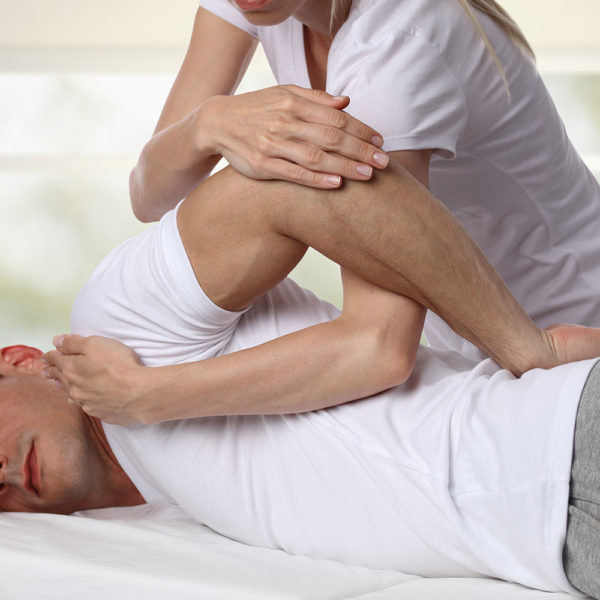
Chiropractic
Early therapy
The earliest evidence of using occupations as a method of therapy can be found in ancient times. In c. 100 BCE, Greek physician Asclepiades initiated humane treatment of patients with mental illness using therapeutic baths, massage, exercise, and music. Later, the Roman Celsus prescribed music, travel, conversation and exercise to his patients. However by medieval times the use of these strategies with people considered to be insane was rare, if not nonexistent.[3]
In 18th-century Europe, revolutionaries such as Philippe Pinel and Johann Christian Reil reformed the hospital system. Instead of the use of metal chains and restraints, their institutions utilized rigorous work and leisure activities in the late 18th century. This was the era of Moral Treatment, developed in Europe during the Age of Enlightenment, where the roots of occupational therapy lie.[4] Although it was thriving abroad, interest in the reform movement waxed and waned in the United States throughout the 19th century. It re-emerged in the early decades of the 20th century as Occupational Therapy.
The Arts and Crafts movement that flourished between 1860 and 1910 also impacted occupational therapy. In a recently industrialized society, the arts and crafts societies emerged against the monotony and lost autonomy of factory work .[4] Arts and crafts were utilized as a way of promoting learning through doing and provided an outlet for creative energy and a way of avoiding the boredom that was associated with long hospital stays, both for mental illness and for tuberculosis.
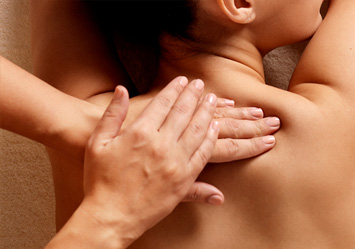
Physiotherapy
Physical therapy or physiotherapy (sometimes abbreviated to PT or physio) is a health care profession primarily concerned with the remediation of impairments and disabilities and the promotion of mobility, functional ability, quality of life and movement potential through examination, evaluation, diagnosis and physical intervention carried out by physical therapists (known as physiotherapists in most countries) and physical therapist assistants (known as physical rehabilitation therapists or physiotherapy assistants in some countries). In addition to clinical practice, other activities encompassed in the physical therapy profession include research, education, consultation, and administration. Definitions and licensing requirements in the United States vary among jurisdictions, as each state has enacted its own physical therapy practice act defining the profession within its jurisdiction, but the American Physical Therapy Association (APTA) has also drafted a model definition in order to limit this variation, and the APTA is also responsible for accrediting physical therapy education curricula throughout the United States of America. In many settings, physical therapy services may be provided alongside, or in conjunction with, other medical or rehabilitation services.
Definitions and licensing requirements in the United States vary among jurisdictions, as each state has enacted its own physical therapy practice act defining the profession within its jurisdiction, but the American Physical Therapy Association (APTA) has also drafted a model definition in order to limit this variation, and the APTA is also responsible for accrediting physical therapy education curricula throughout the United States of America. In many settings, physical therapy services may be provided alongside, or in conjunction with, other medical or rehabilitation services.
Definitions and licensing requirements in the United States vary among jurisdictions, as each state has enacted its own physical therapy practice act.
Massage Therapy
Massage Therapy is the application of soft-tissue manipulation techniques to the body, generally intended to reduce stress and fatigue while improving circulation. As an accepted part of many physical rehabilitation programs, massage therapy has also proven beneficial for many chronic conditions, including low back pain, arthritis, bursitis, fatigue, high blood pressure, diabetes, immunity suppression, infertility, smoking cessation, depression, and more. And, as many millions will attest, massage also helps relieve the stress and tension of everyday living that can lead to disease and illness
Does massage therapy hurt?
It can, but not always. There may be some discomfort because of an injury to the muscle or joints. Inflamed and strained muscles may feel sore after or during a treatment. The end result is often a very relaxed and pain-free feeling.
Are the massage therapists at Chiromedics™ registered?
Most definitely. All of the therapists at Chiromedics™ are registered with the appropriate governing bodies and are licensed to practice in Ontario.
Will I need to get undressed?
You may be required to remove some clothing, but you will not be asked to remove all of your clothing. Areas not being worked on will either remain clothed or be covered by a sheet or blanket.
Can I get a massage even if I’m not in pain?
Of course! Massage therapy can be a very effective tool for general relaxation and a wonderful way to relieve the stress of everyday life.
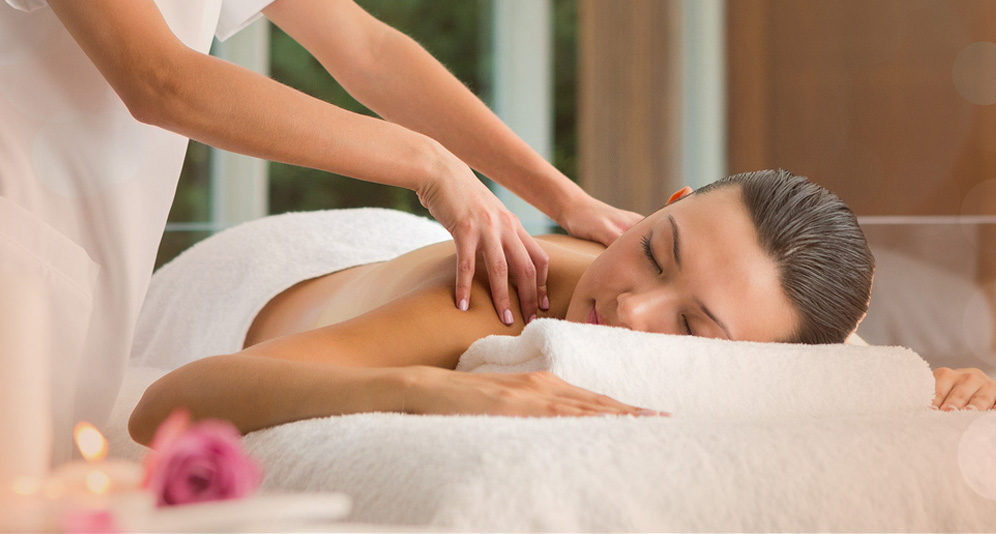
Acupuncture
Acupuncture is one of the oldest, most commonly used medical procedures in the world. It is a method of encouraging the body to promote natural healing and to improve functioning. This is done by inserting needles and applying heat or electrical stimulation at very precise acupuncture points. Needling the acupuncture points stimulates the nervous system to release chemicals in the muscles, spinal cord, and brain. These chemicals will either decrease pain, or they will trigger the release of other chemicals and hormones which influence the body’s own internal regulating system. The improved energy and biochemical balance produced by acupuncture results in stimulating the body’s natural healing abilities, and in promoting physical and emotional well-being.
How does acupuncture work?
The classical Chinese explanation is that channels of energy run in regular patterns through the body and over its surface. These energy channels, called meridians, are like rivers flowing through the body to irrigate and nourish the tissues. An obstruction in the movement of these energy rivers is like a dam that backs up the flow. Acupuncture is a method used to remove these “dams.” The modern explanation is proposed that acupuncture produces its effects through regulating the nervous system, thus aiding the activity of pain-killing biochemicals such as endorphins and immune system cells at specific sites in the body.
What are the needles like? Do they hurt?
People experience acupuncture needling differently. Most patients feel only minimal pain as the needles are inserted; some feel no pain at all. Once the needles are in place, there is no pain felt. Acupuncture needles are very thin and solid and are made from stainless steel. The point is smooth (not hollow with cutting edges like a hypodermic needle) and insertion through the skin is not as painful as injections or blood sampling. The risk of bruising and skin irritation is less than when using a hollow needle. The Practitioners at Chiromedics Health Centre™ follow clean needle technique and use disposable needles, therefore there is little to no risk of infection from the treatments.

Foot Orthotics
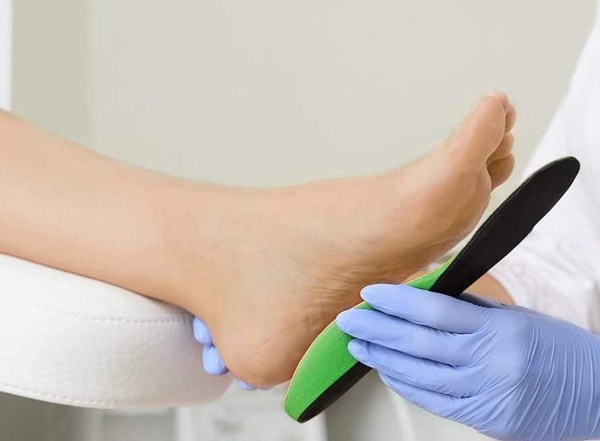
Orthotics are orthopedic devices used to modify or correct foot mechanics and help maintain proper foot function. They are designed to adjust, correct and support various biomechanical foot conditions.
The most effective type of orthotic devices are “custom-made” orthotics crafted to meet the specific needs of a particular individual or patient. At our clinic, custom-made orthotics are created using a 3-dimensional impression of the foot called a cast, which is digitally provided to orthotic specialists, where they manufacture device specifically for you.
Custom orthotics are a biomedical device that are designed to be placed into your shoes, to help align your ankle foot bones into the most bio-mechanically optimal position when you step on them.
An analogy that easily explains how orthotics work involves considering a pair of glasses – a lens is designed with the correct curvature to allow you to see things clearly.
Similarly, the high-density materials that make a custom orthotic act like an interface between your shoe and your foot therein, reducing stress and strain on your legs and hips when you stand, walk, or run.
Since custom orthotics are designed with your feet specifically in mind, they are meant to fit easily into your shoes and provide a seamless transition to having less pain and foot fatigue when you are performing your activities of daily living.
Naturopath
Naturopathy is the art and science of disease diagnosis, treatment and prevention usingthe healing power of nature. Naturopathic medicine aims to treat the root of the problem and cause of the disease. The health of the mind, body and spirit are all taken into consideration.
What Chronic & Acute Conditions Can Be Helped Naturally With Naturopathy?
. Anxiety, Depression and Insomnia -- Many people suffer from it but aren*t aware of how it isaffecting their life--anxiety can greatly interfere with day-to-day tasks. Studies have shown that therecan be one or multiple causes of anxiety. Some of these causes can be addressed through Naturopathicstrategies.
. Acne, Eczema and Psoriasis -- Eczema is a skin condition typically related to a reaction to a topicalor internal irritant. While good hydrating creams can often be helpful in the short term, the real causemust be sought after in order to have true healing to occur.
. Arthritis -- Arthritis can be a painful condition which affects the joints of the body. Once the type ofarthritis is determined, appropriate naturopathic strategies can be implemented to improve your qualityof life and to reduce pain.
. Cancer -- There are many natural strategies to assist someone who is fighting cancer. By connectingwith your Naturopathic Doctor, they can help tailor some health building strategies towards yourparticular case.
.Digestive Disorders -- What you eat and how your body is functioning has a huge impact ondigestive disorders. Naturopathic treatment is tailored directly to the unique person and digestivedisorder.
. Degenerative Diseases -- Naturopathy has many strategies to help a patient who is suffering with adegenerative disease. Starting now can help you maintain function and reduce the process of thedegeneration.
. Hormonal Imbalance, Menopause & PMS -- Imbalances in the body can create huge problems. Our Naturopathic Doctors in Mississauga can help you identify where the imbalance is occurring and can help implement strategies to modify the imbalance.
. Male and Female Fertility Preparation & Support -- Whether you*ve just started trying to conceive or are well into your journey toward parenthood, Naturopathy can apply therapies at every stage. Naturopathic medicine offers treatment that can help balance hormones to optimize the menstrual cycle and prepare the body for conception, including herbs, nutrition, acupuncture and homeopathy. One of the most studied treatments used by perinatal Naturopathic Doctors is acupuncture. Acupuncture has become very popular and is the subject of many studies showing positive results to enhance fertility. The health of both partners is taken into consideration. If testing is required, we are able to send for hormonal analysis, sperm analysis, as well as other markers including anti-mullerian hormone testing. Read more on Fertility 101 from Mississauga Natural Health Clinic.
. Pregnancy-Related Constipation, Morning Sickness, Fatigue and Anemia -- Our naturopathic doctors work with pregnant mothers to get past pregnancy related difficulties. Many of the ND‘s are also qualified as naturopathic doulas.
. Postpartum Support -- A lot of effort and planning goes into a pregnancy, with the clear goal regarding the healthy birth of a new baby. But when the baby arrives, the hard work doesn’t end. Now there is a need that supersedes the mother‘s own needs, the baby. This post-partum period is a challenging time for all mothers. Often times the mother is tired, drained of energy, and still healing from their pregnancy and delivery.
Osteopathic Manual Therapy
Osteopathy is based on the principle that the well-being of an individual depends on their bones, muscles, ligaments and connective tissue functioning smoothly together. Osteopathic Manual Therapists believe their treatments allow the body to heal itself. They use a range of techniques but do not use drugs or surgery.
Osteopathy is a primary health care system, complementary to other medical practices. It is suitable for almost anyone and can contribute to the treatment and management of a wide range of conditions.
Osteopathic Manual Therapists primarily work through the neuro-musculo-skeletal system, mostly on muscles and joints, using holistic and patient-centered approaches.
A core principle behind osteopathy is the idea that the body is an integrated and indivisible whole, and contains self-healing mechanisms that can be utilized as part of the Osteopathic Manual treatment. No part of the body works, or can be considered, in isolation. Relevant psychological and social factors also form part of the process of patient diagnosis.
The key tools for osteopathic diagnosis include listening to the patient’s history, examining muscles and joints and observing movements. A wide range of gentle, non-invasive manual techniques such as deep tissue massage, joint articulation and manipulation are applied therapeutically. Most people who see an osteopath do so for help with back pain, neck pain, shoulder pain or other problems related to muscles and joints. Some Osteopathic Manual Therapists treat a wide range of health conditions, including asthma, digestive problems and menstrual pain.